1958 BMW ISDT Hillclimber: Vintage Enduro Philosophy, Translated
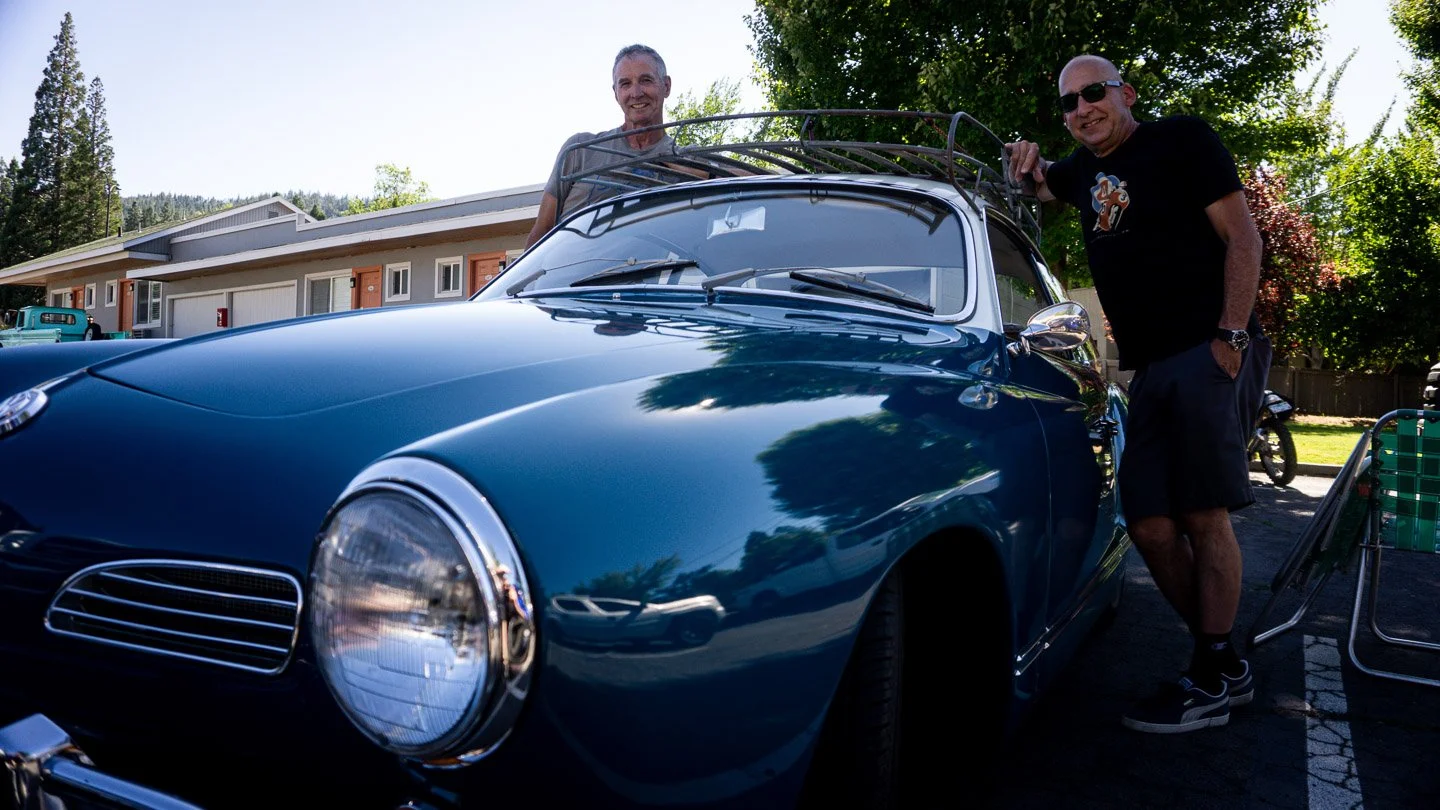
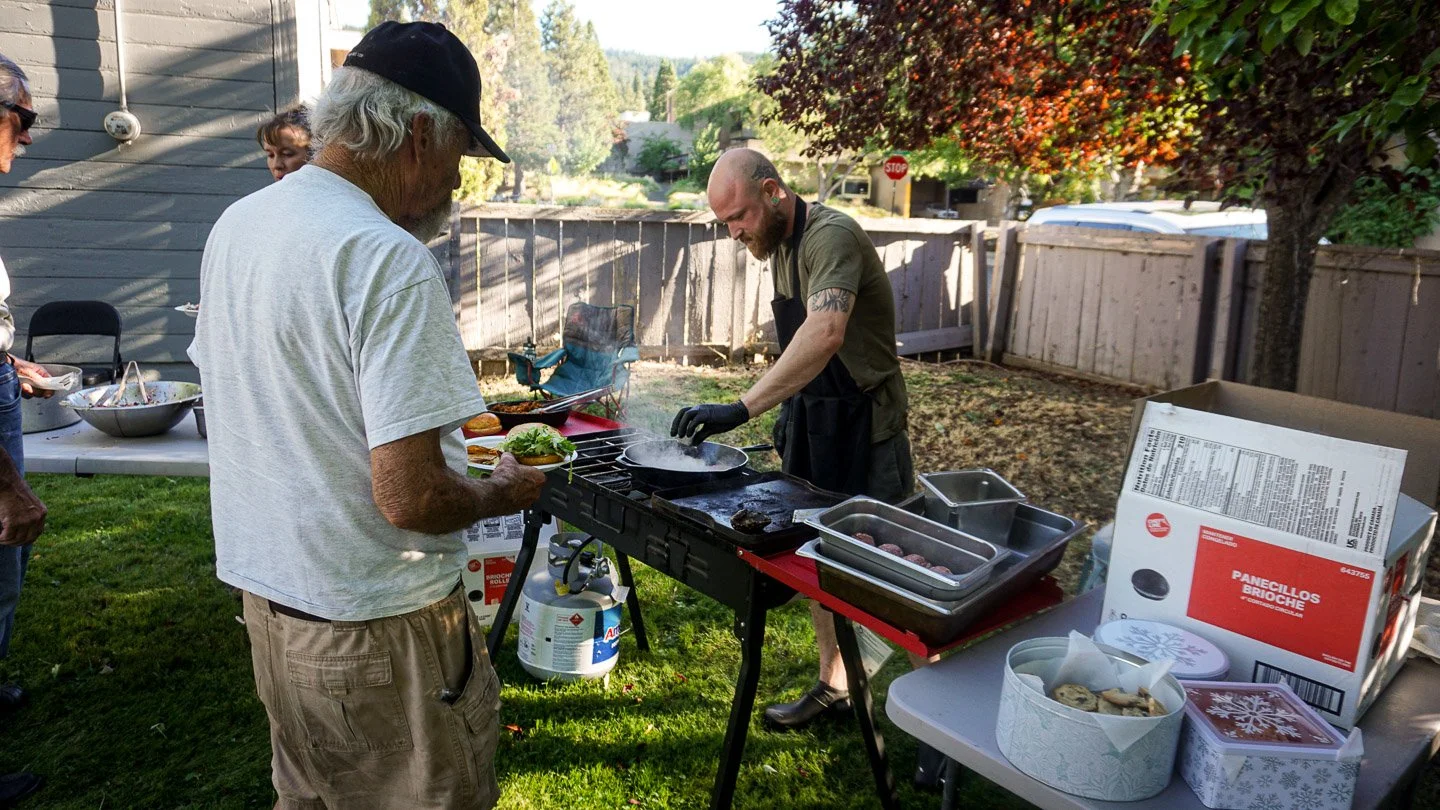
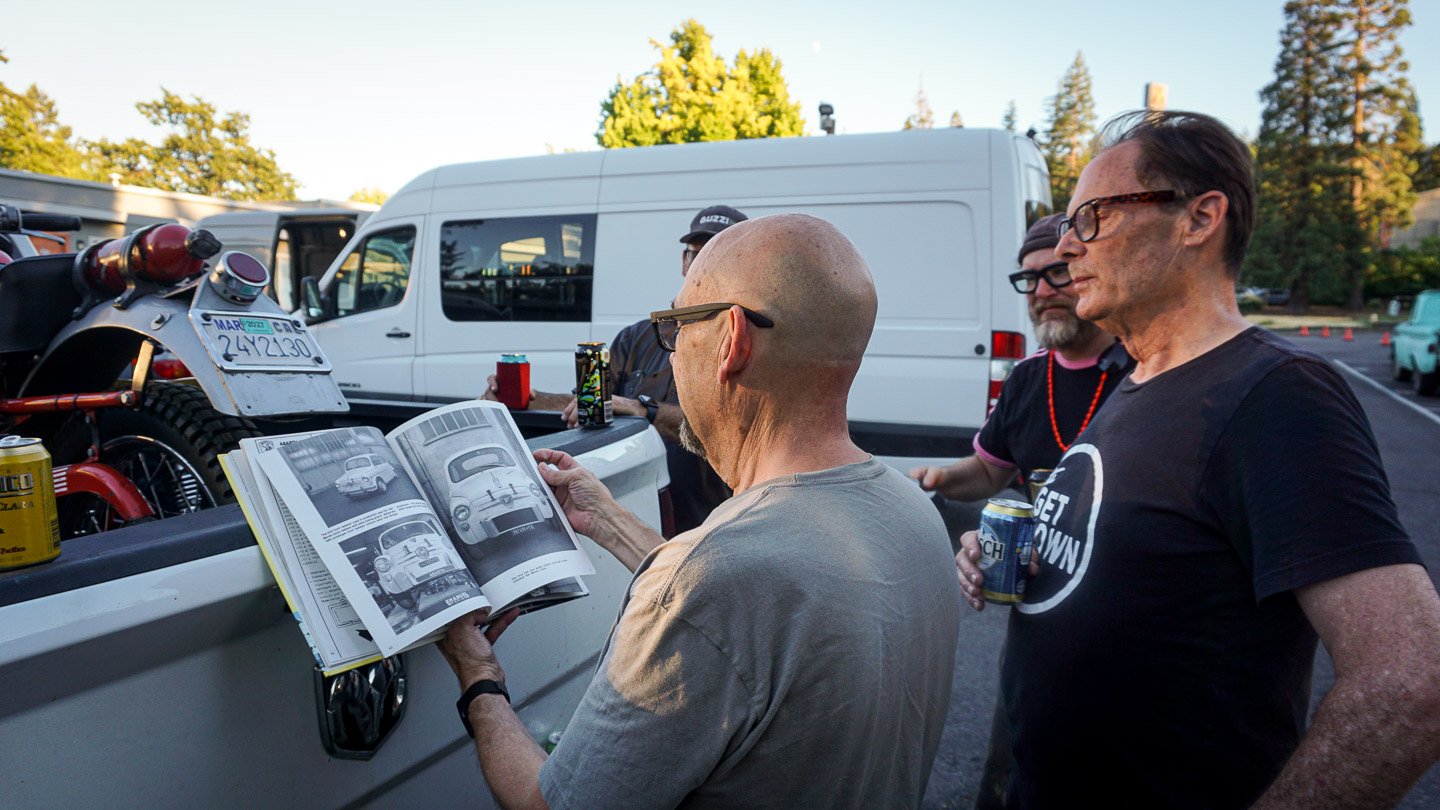
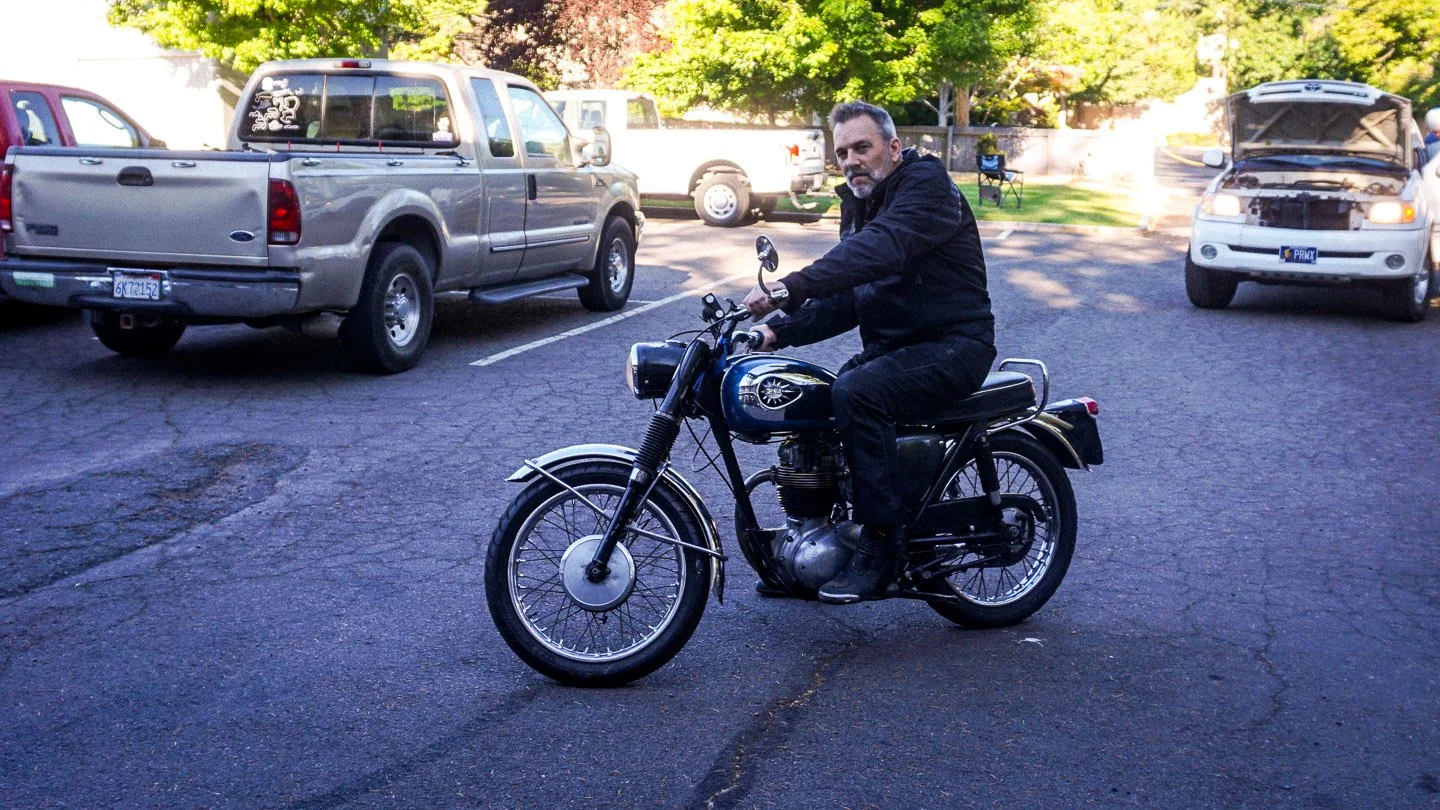
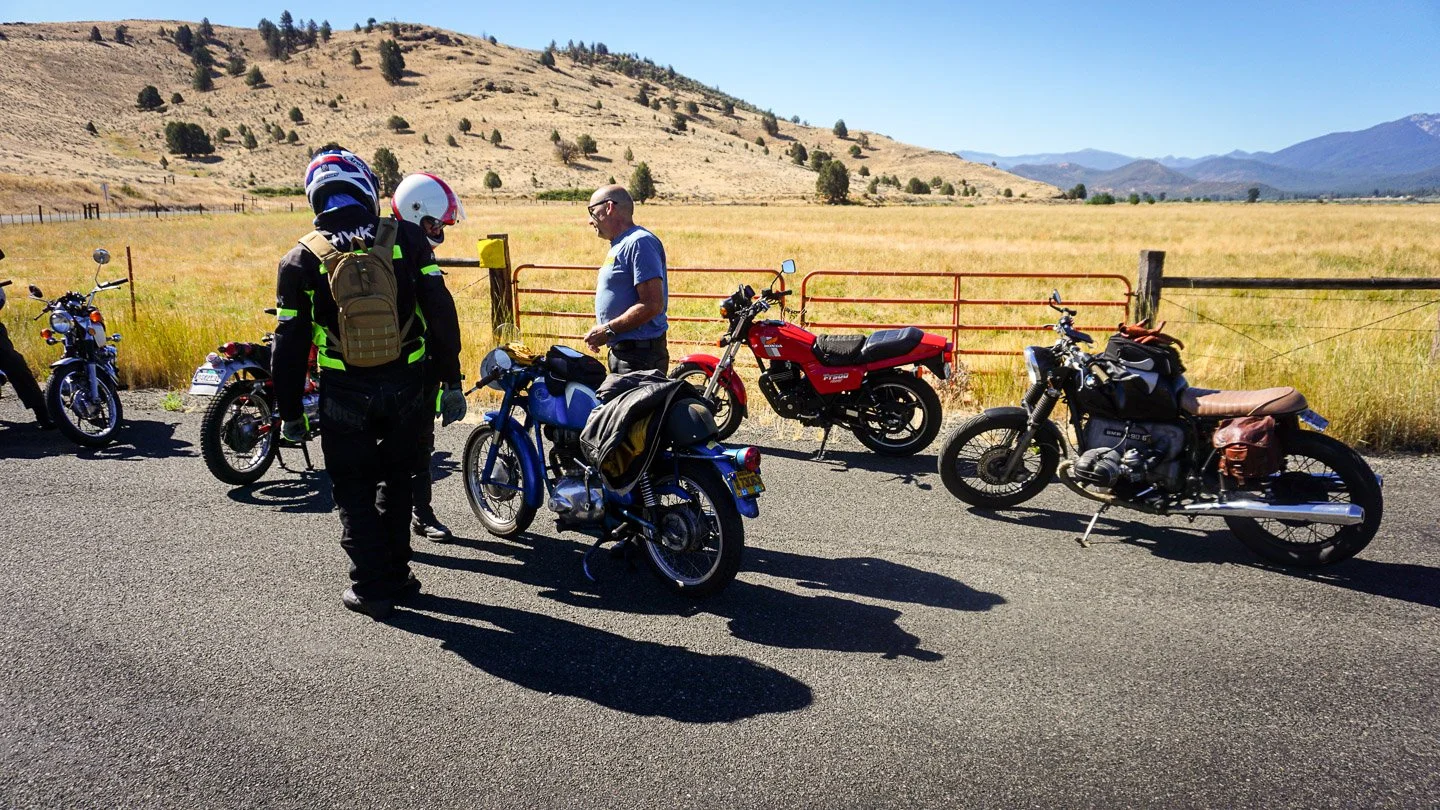
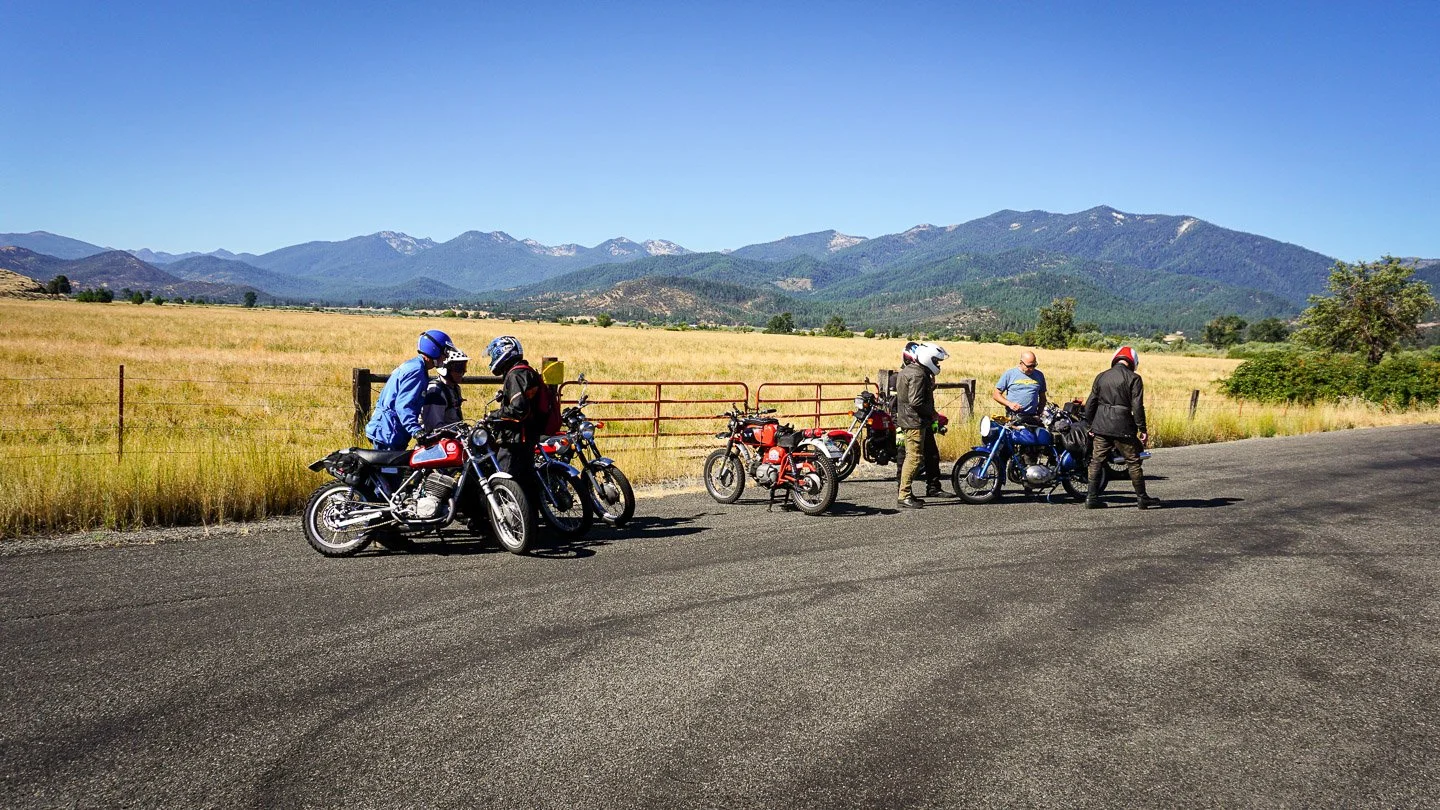
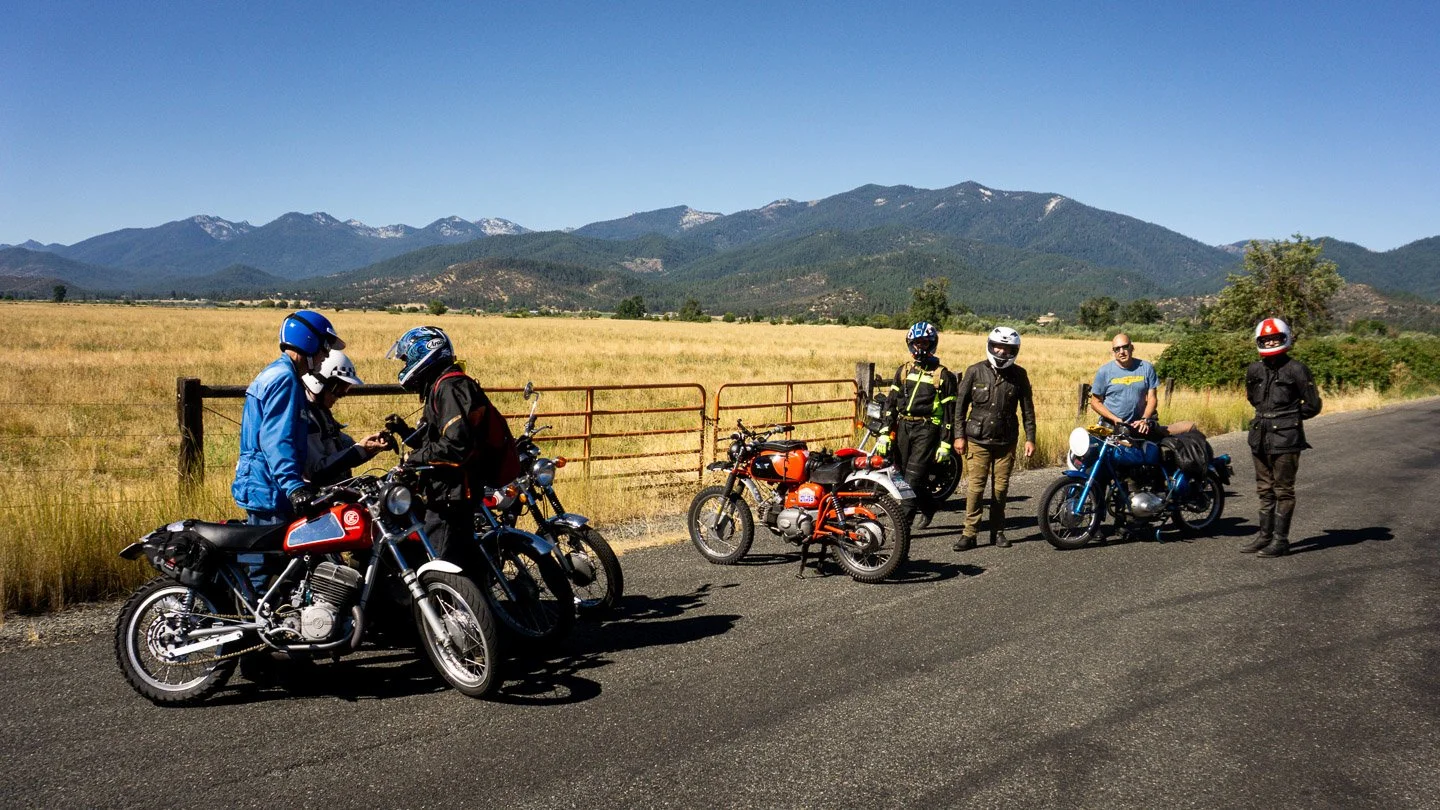
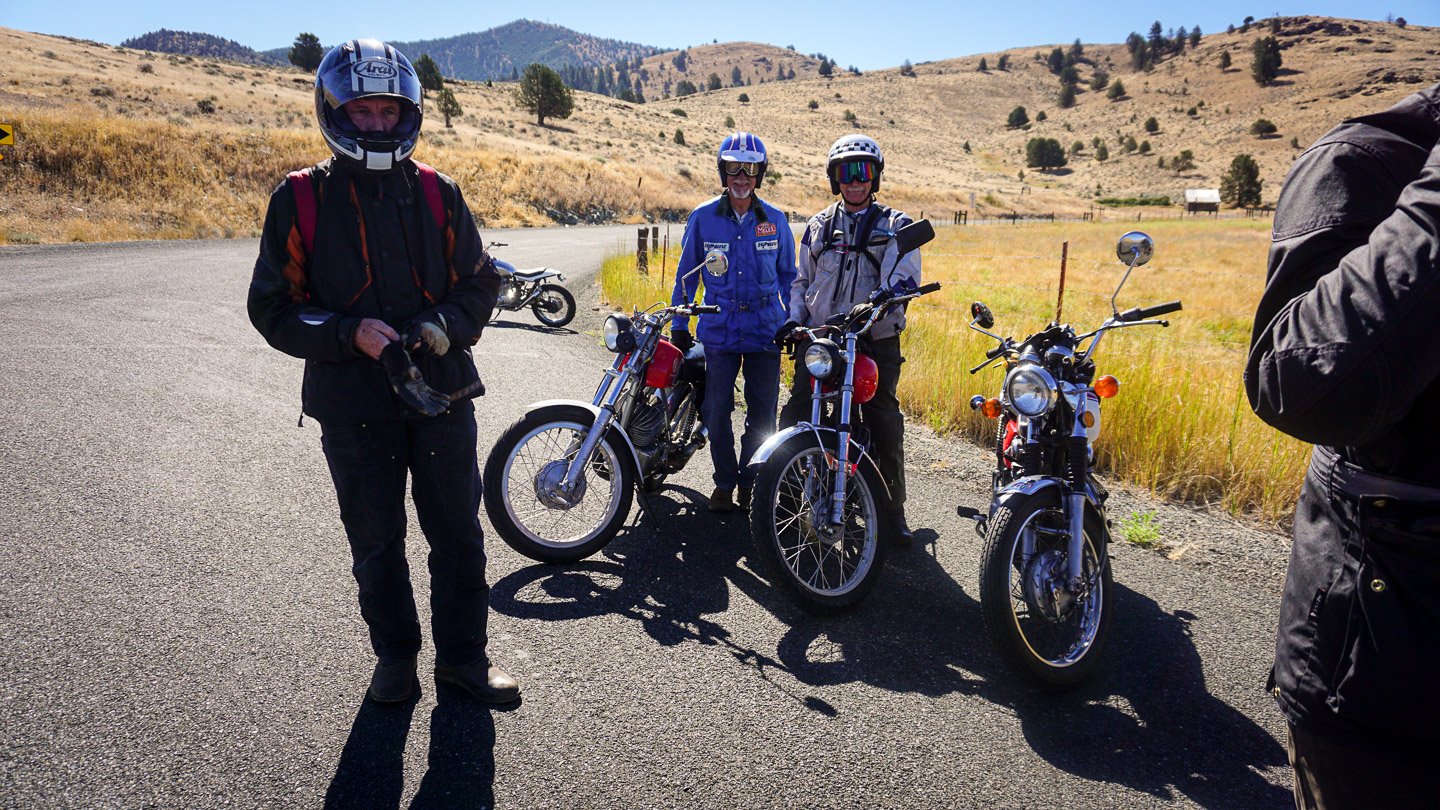
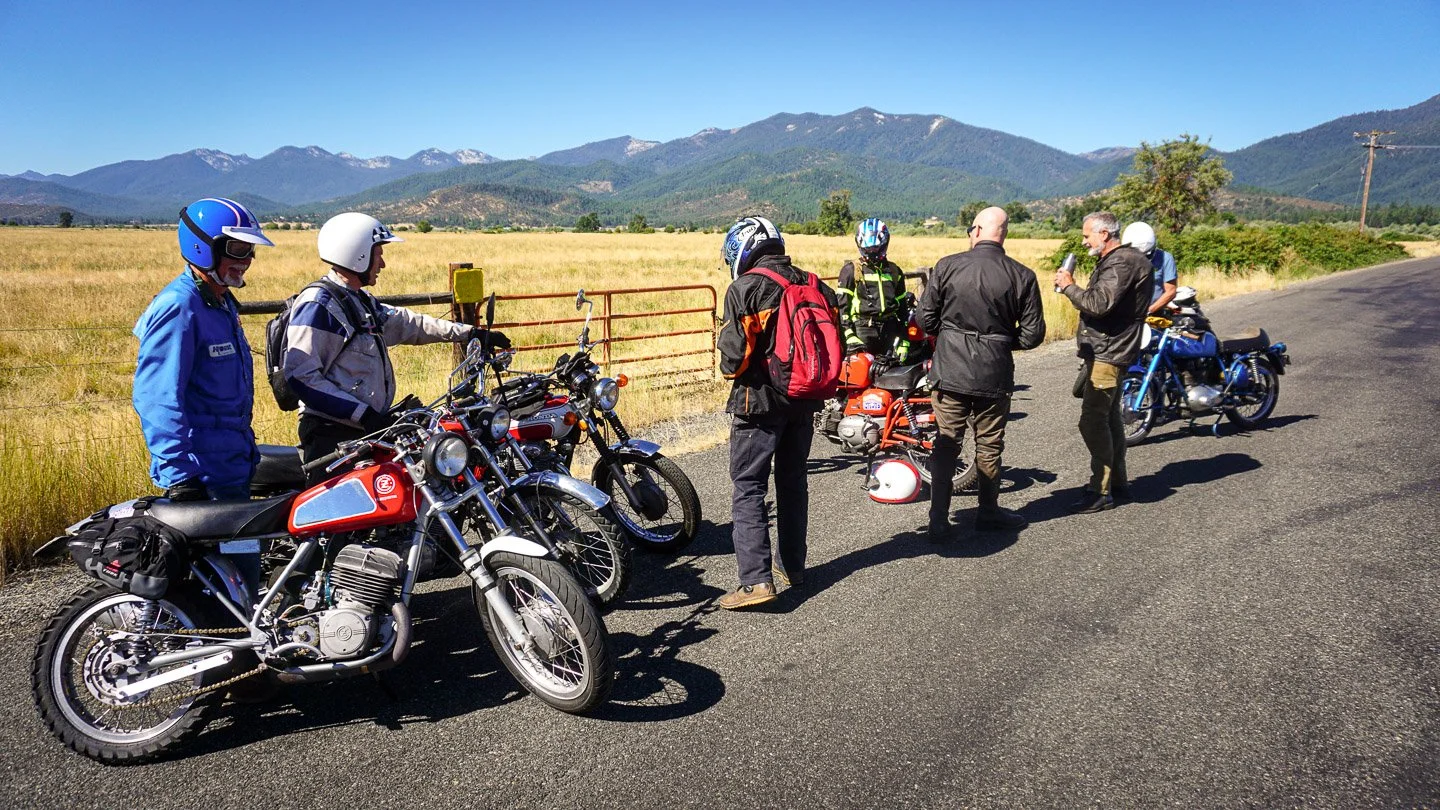
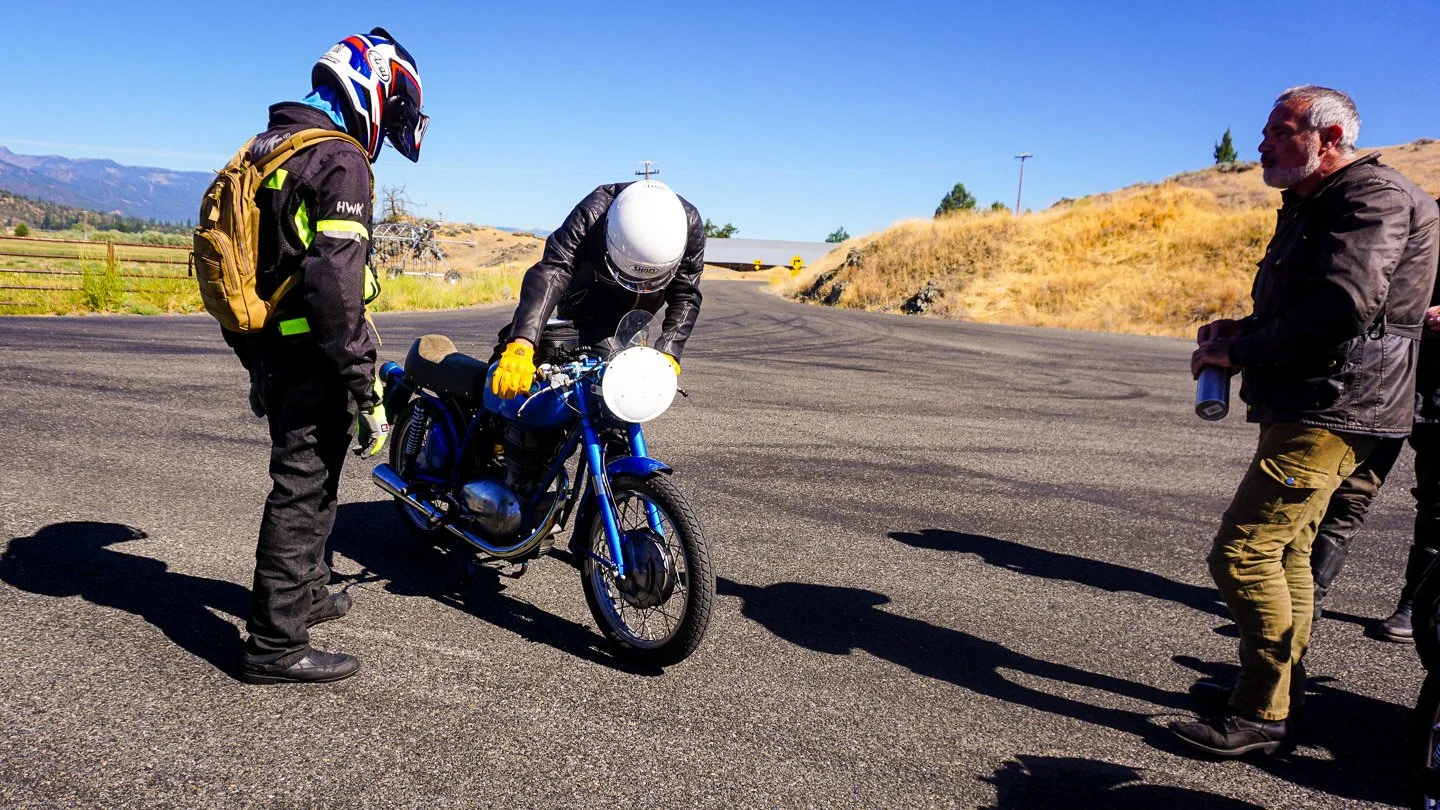
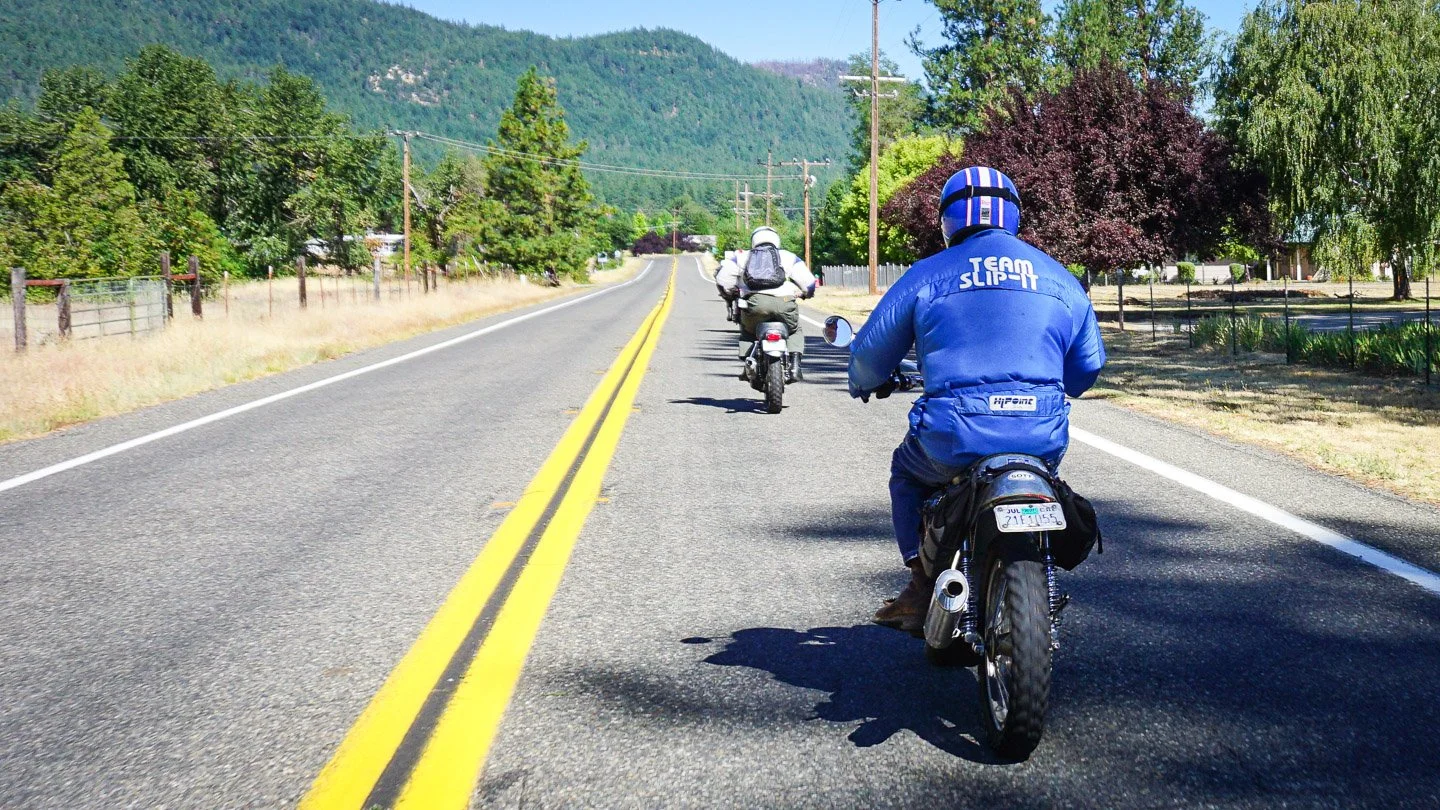
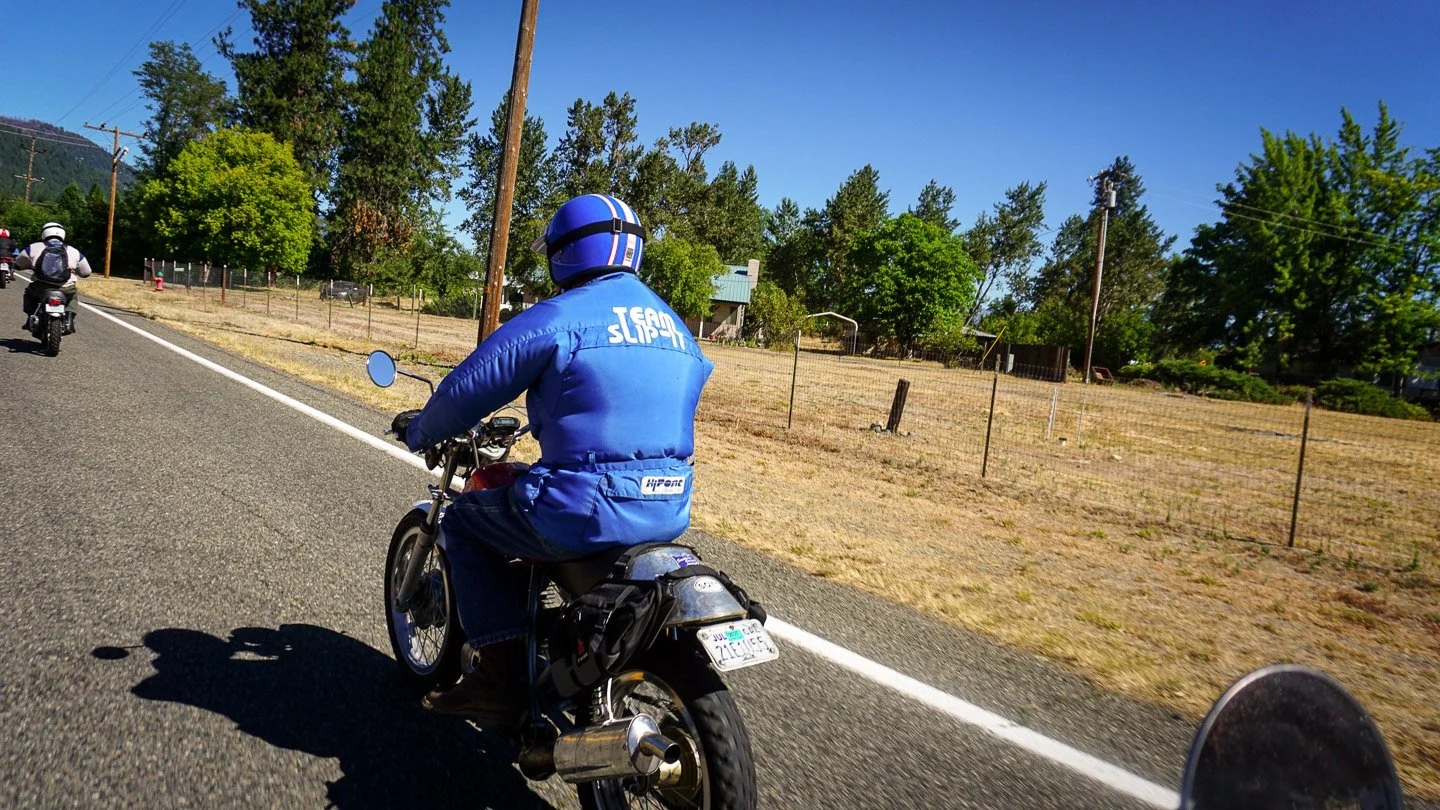
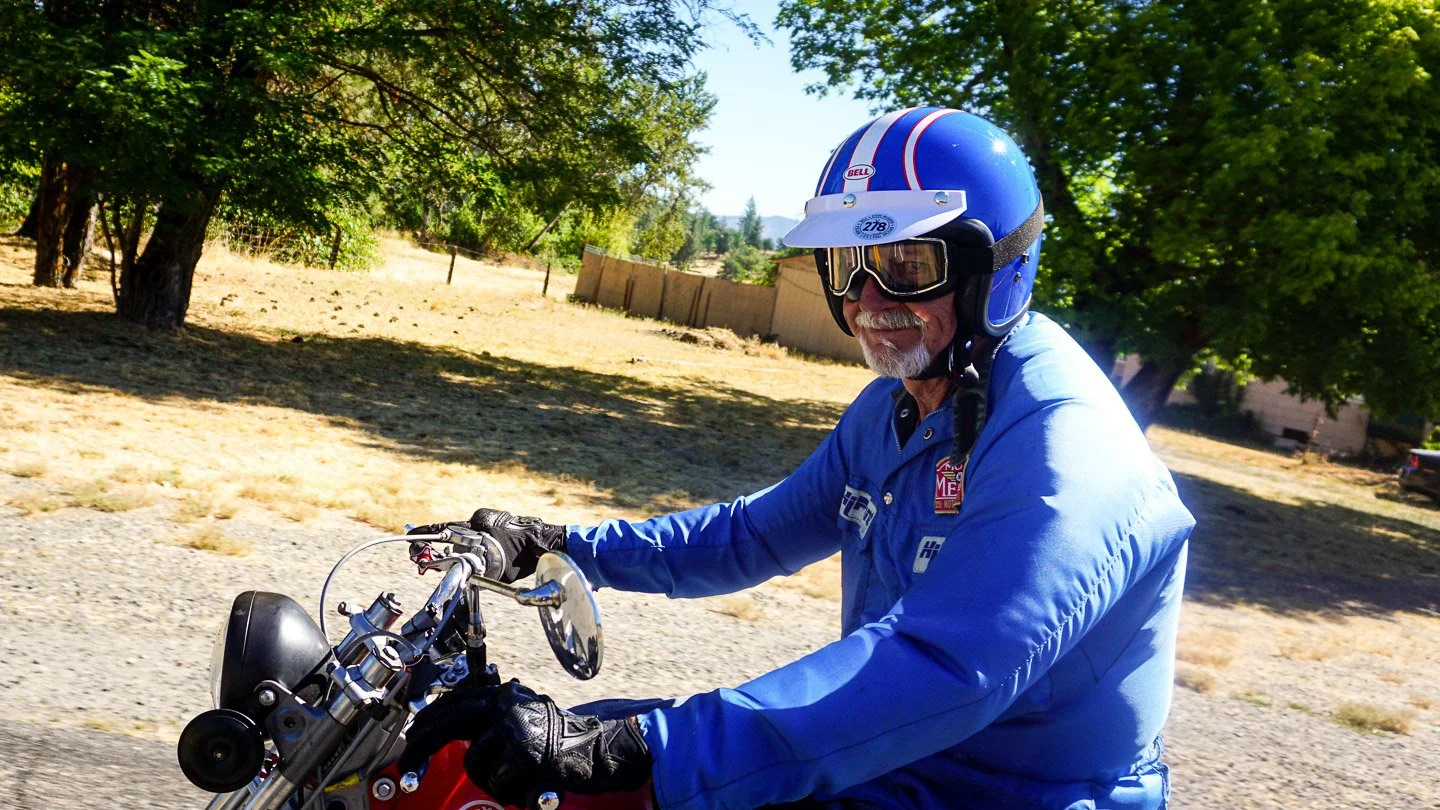
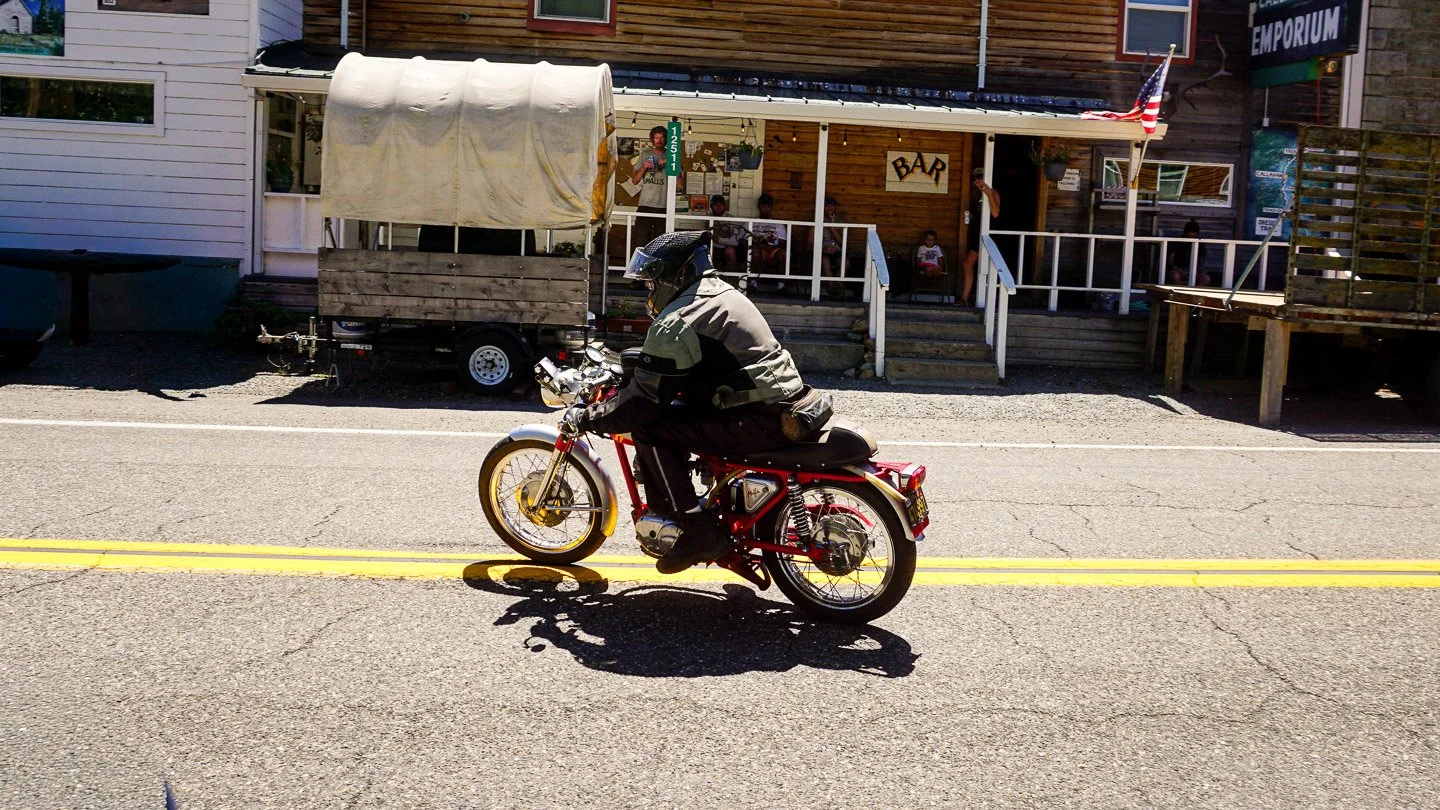
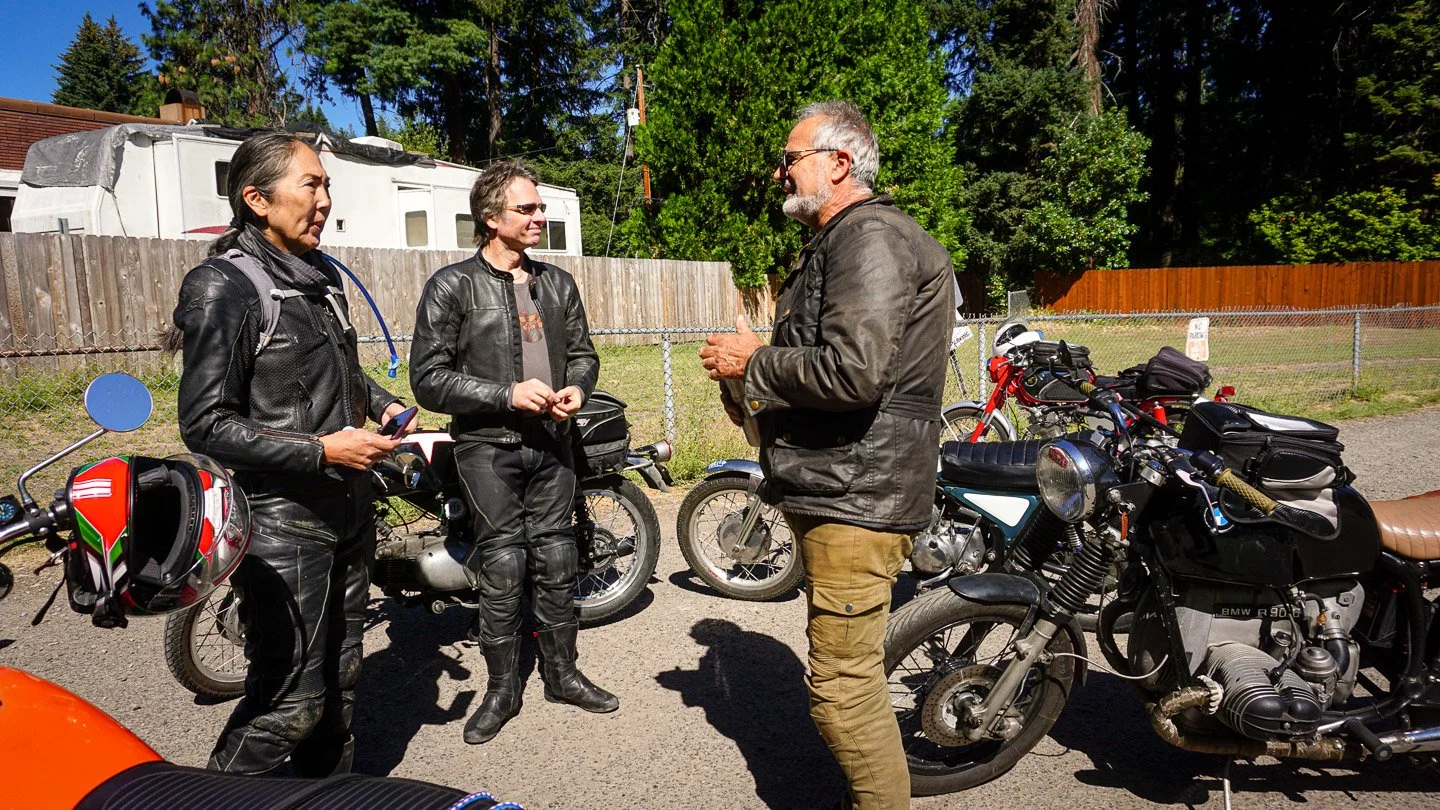
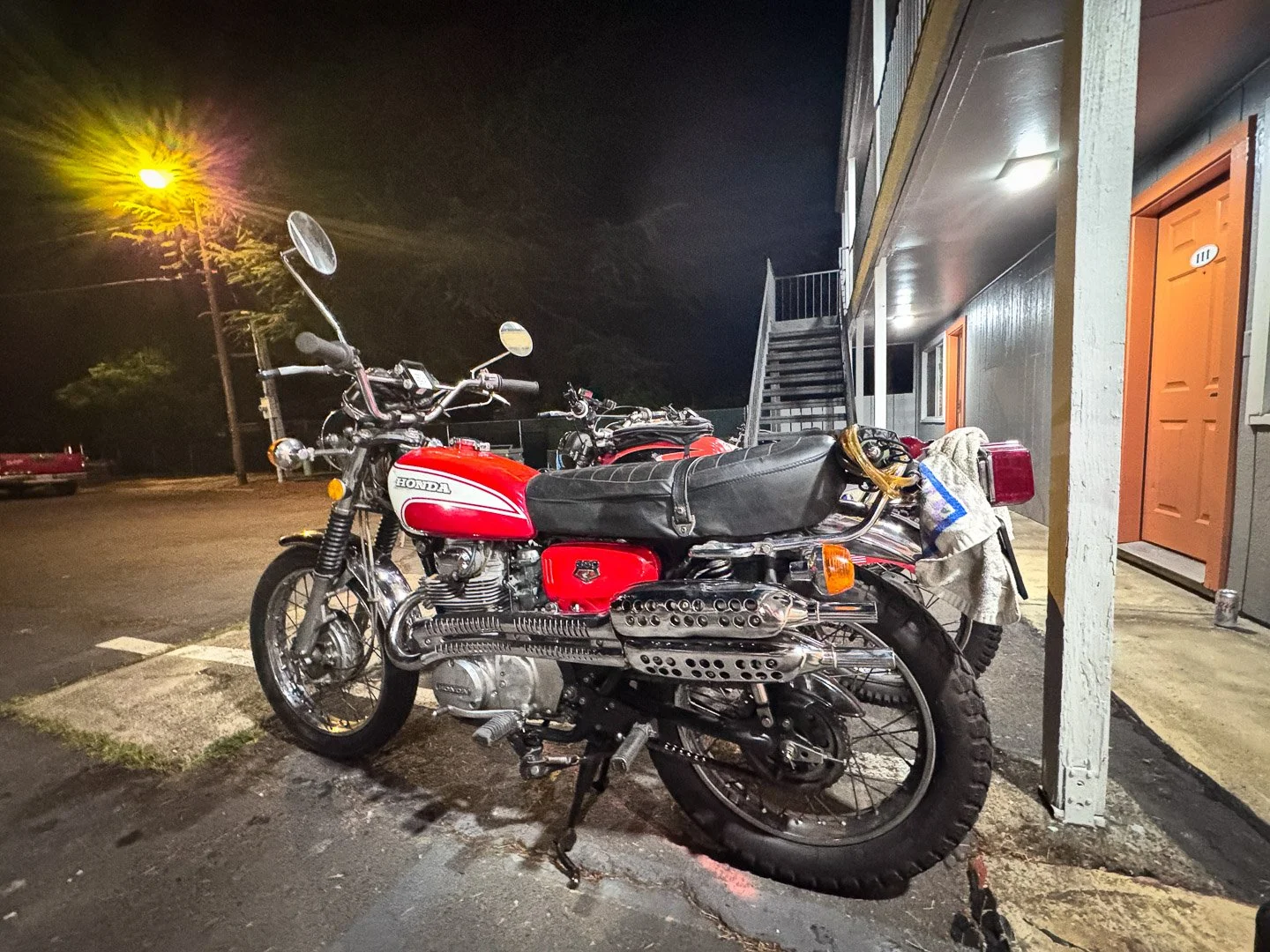
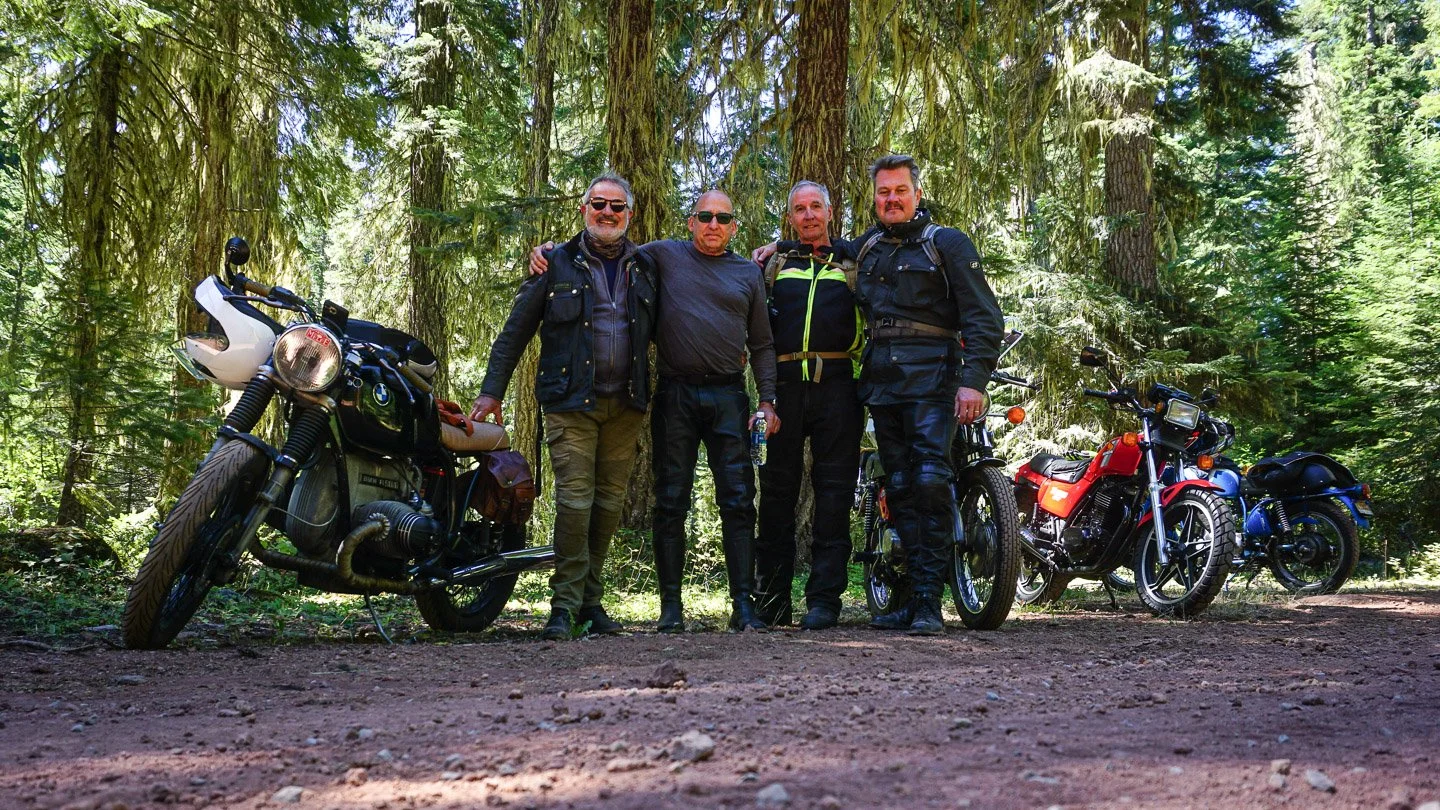
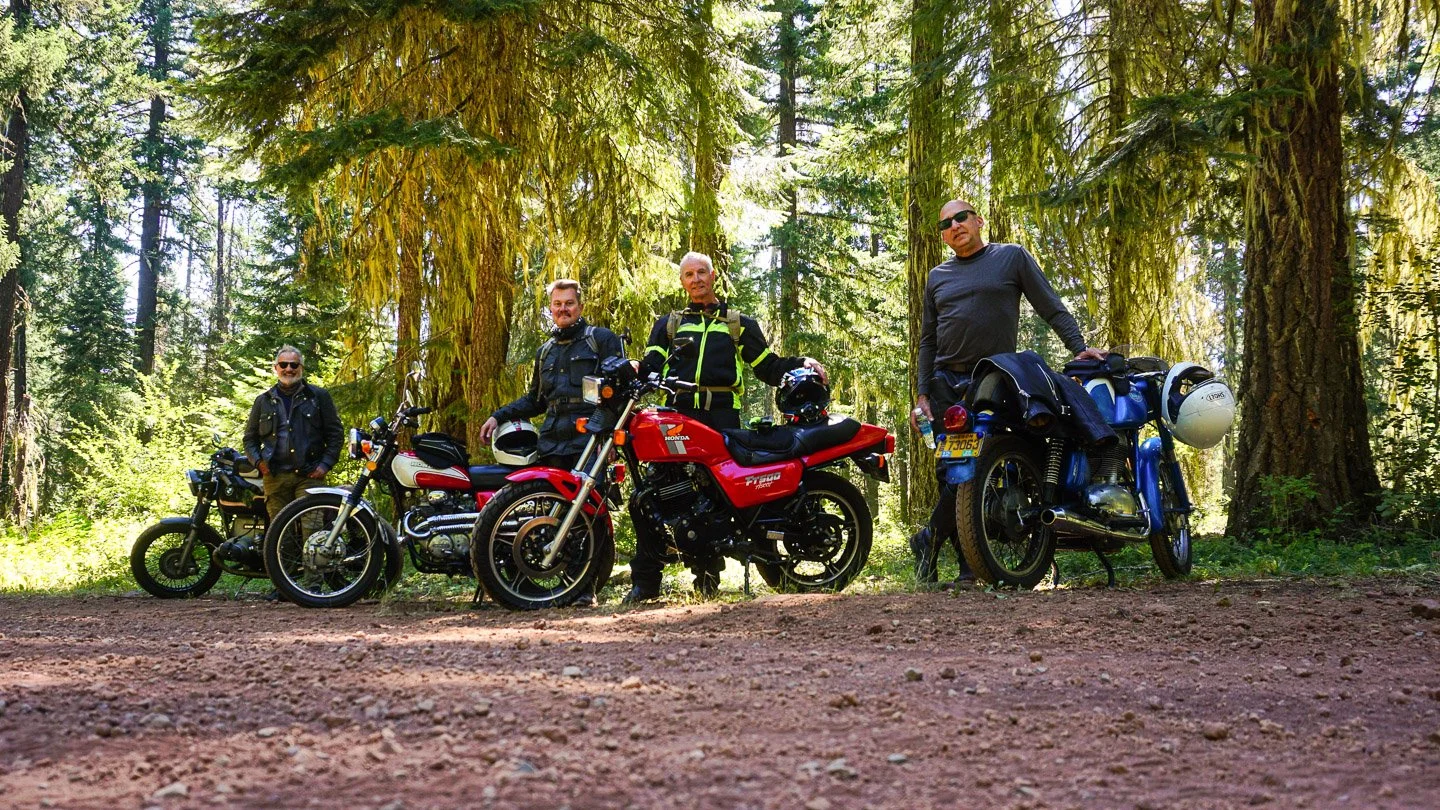
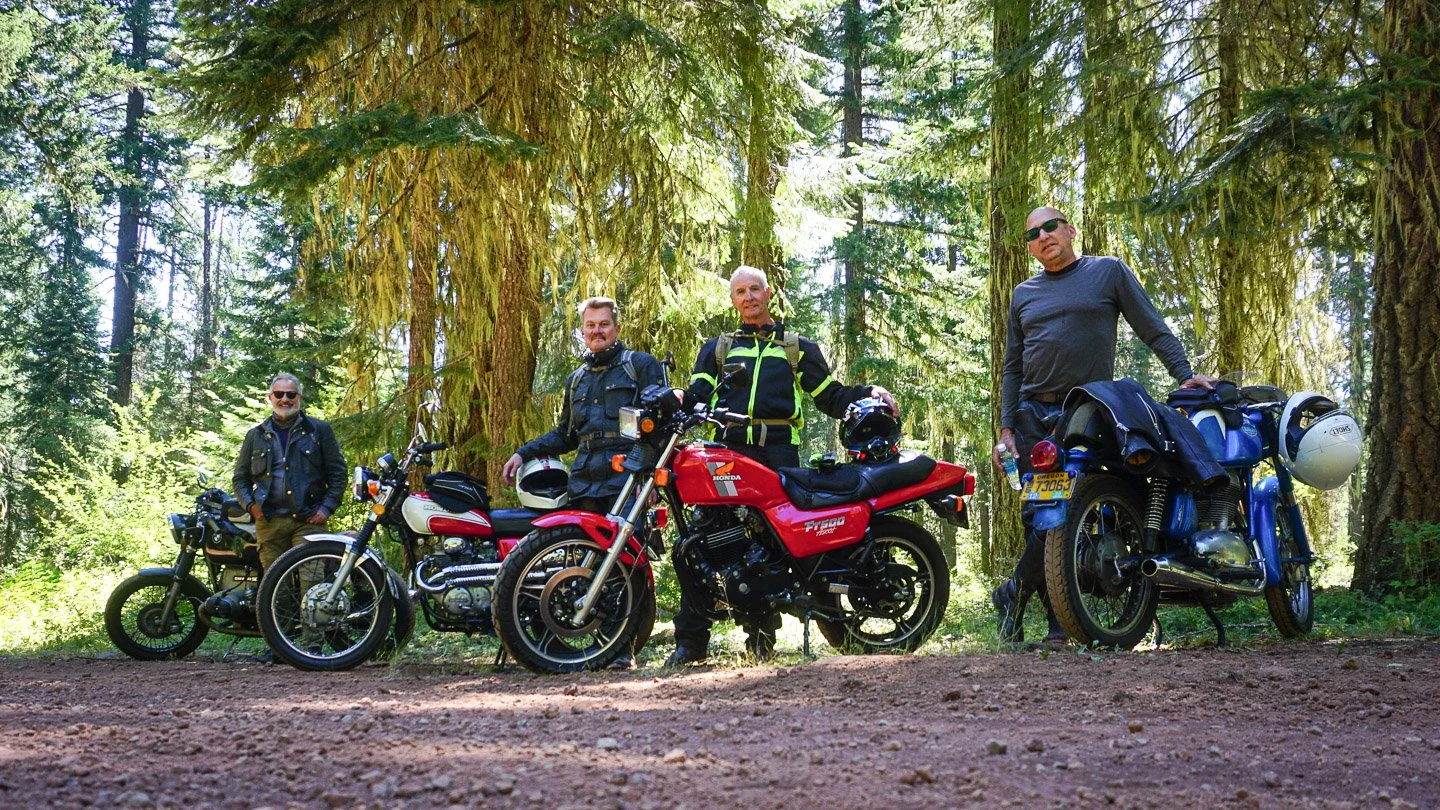
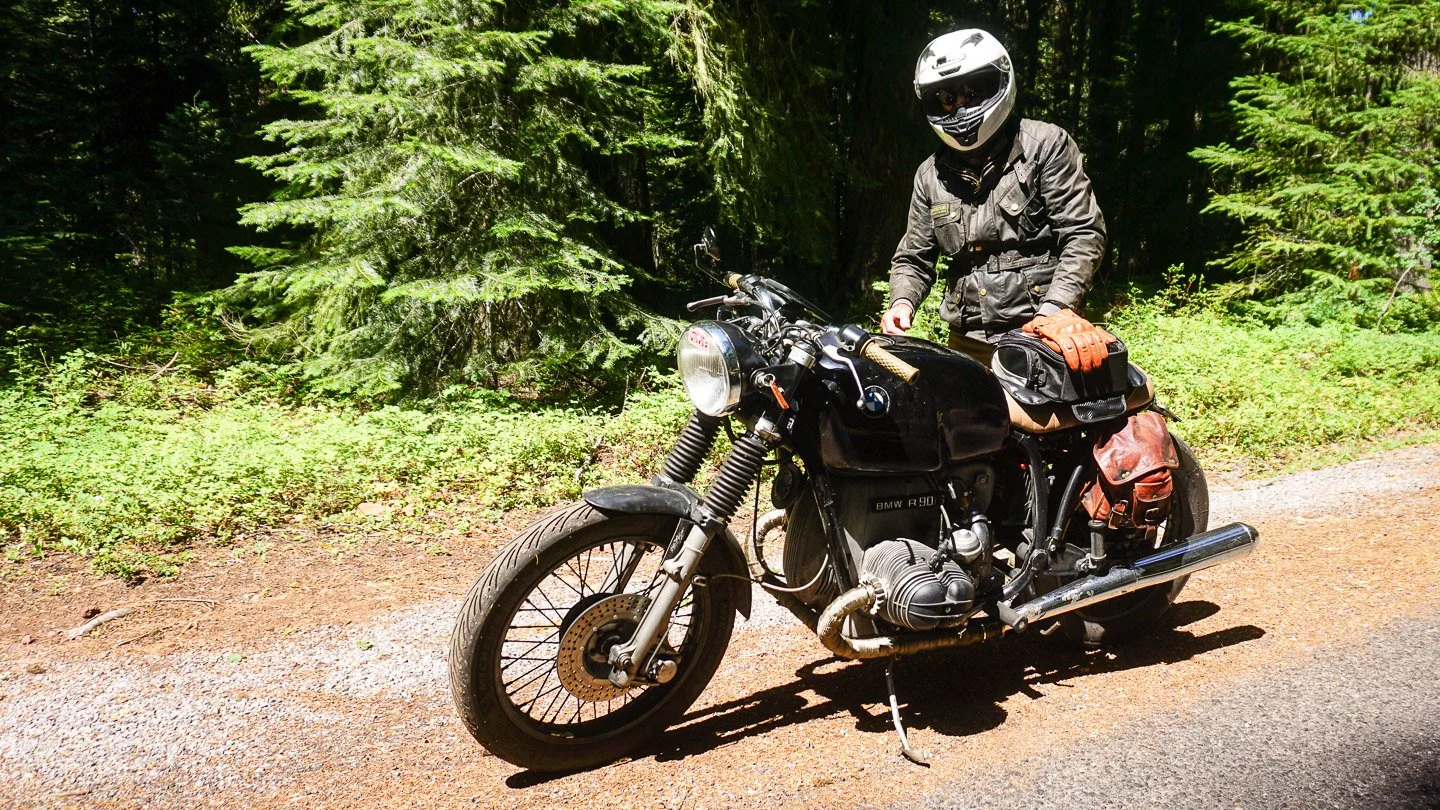
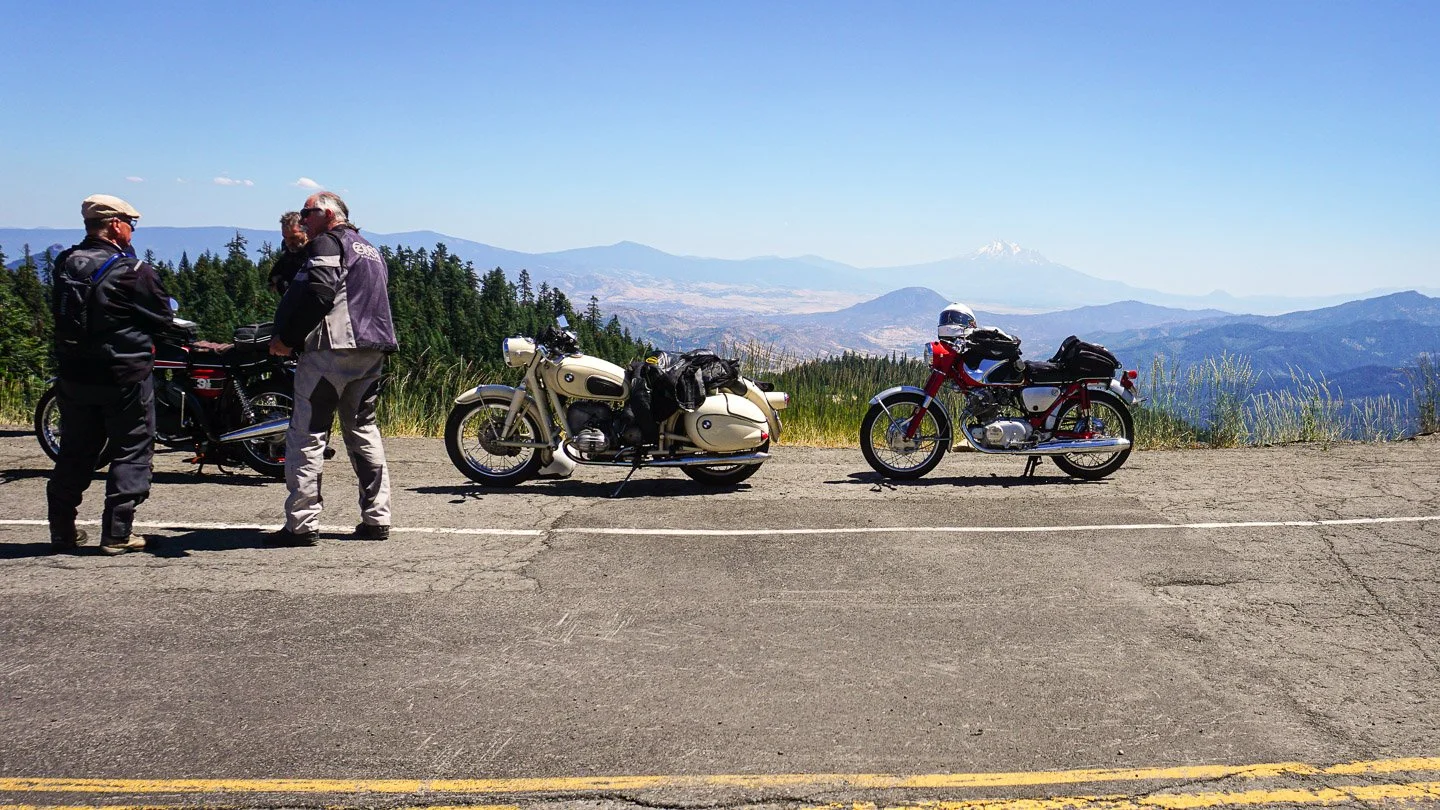
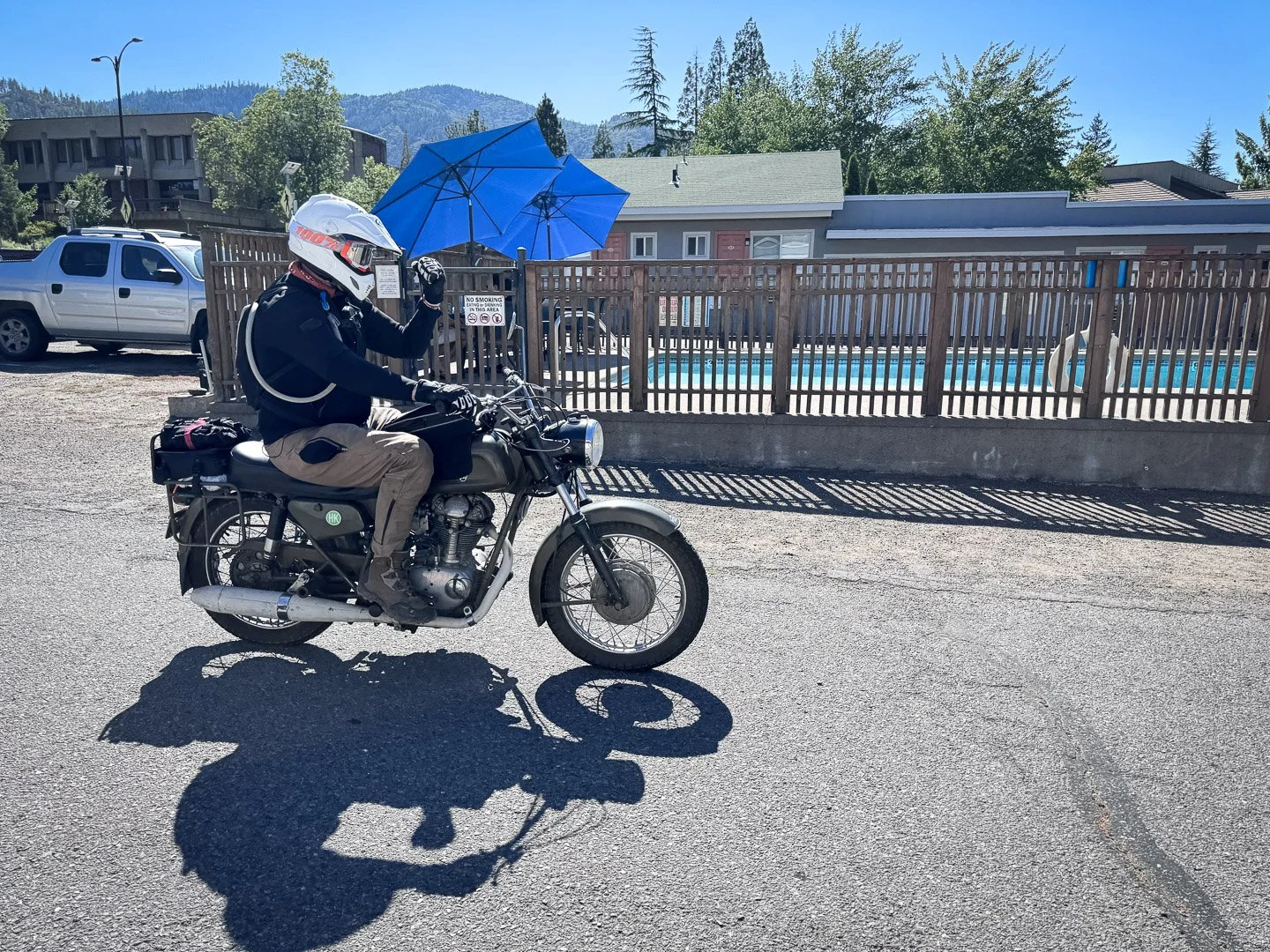
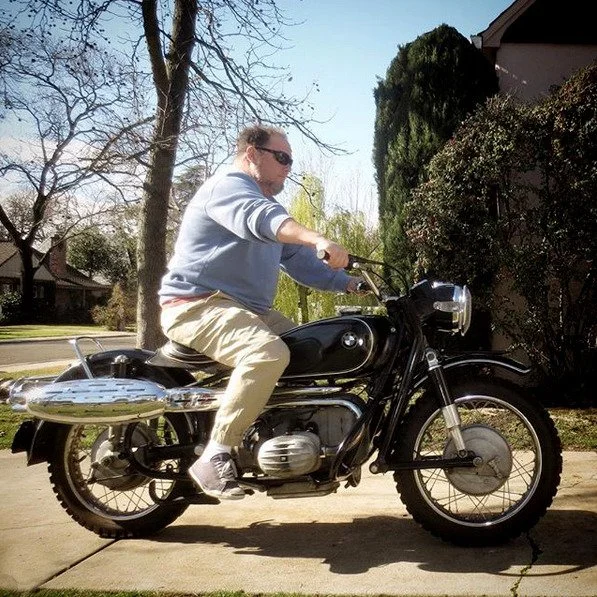
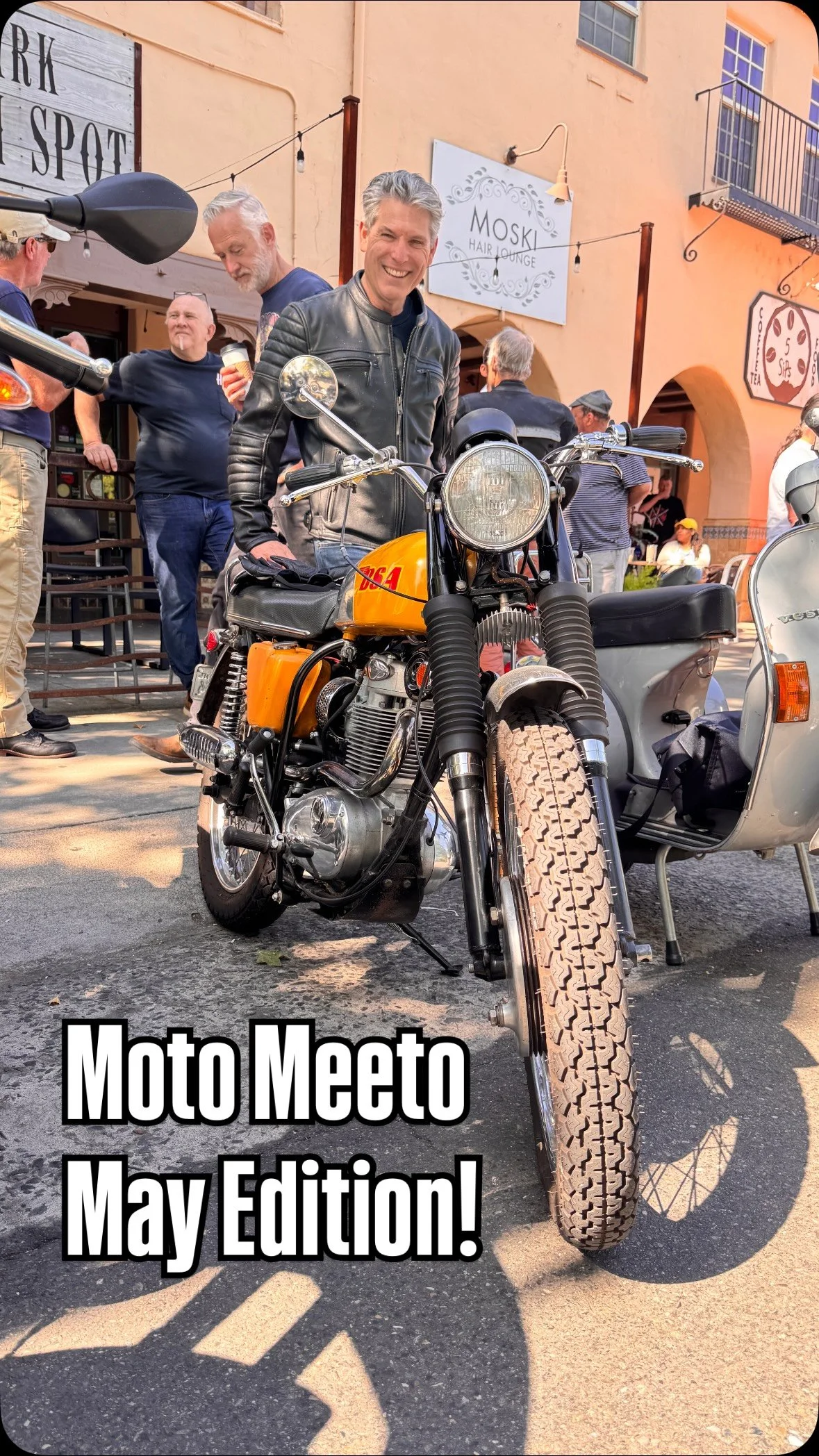
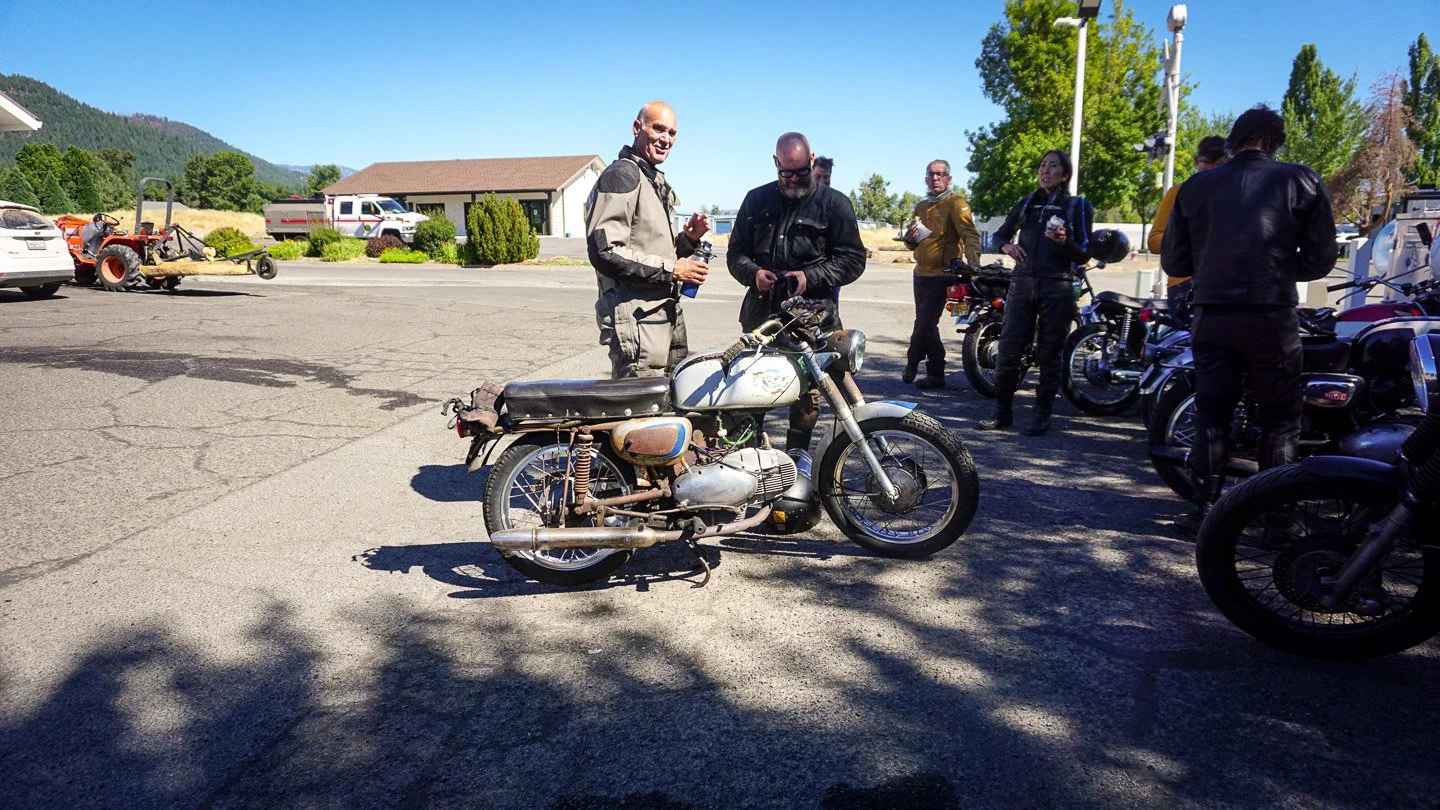
/At the last Moto Meeto, while we were all properly drooling on the bikes, I mentioned that Norm’s ISDT BMW had been flogged and ridden with serious intent, built to echo the feel and attitude of the original International Six Days Trial machines.
The bike is officially registered as a 1958 BMW R60, and it carries that era’s spirit in every detail, even if it’s been heavily reworked for modern dirt duty.
Below is an English translation of the video interview, which I had translated and lightly edited for readability. It offers a fascinating look into the riding philosophy, the history, and the mindset behind machines like this, best read in their own words. Epic machine.
English translation of the original interview, edited slightly for readability:
Fabio Fasola: Whoever sees them today, the first thought is usually to look cool at the café — ride up, put the bike on the stand, snap the rubber strap because yes, these still have the rubber strap, and that’s it.
But those who lived through that era, who know the past, know that with these motorcycles in the ’60s and ’70s, the German giants raced the International Six Days Trial, the World Championship, the European Championship — races that truly were difficult back then, hard races. Yet with these twin-cylinder bikes they rode through taped-off courses, challenged the mud without problems.
Today we wanted to recreate those situations: a muddy enduro course, one with beautiful wide turns. But above all, we wanted to ride these motorcycles again. Thanks in part to experience with modern bikes, you can better understand what riders really suffered through back then.
And honestly, today it doesn’t seem like they suffered that much, because the gap between then and now isn’t actually that huge. It’s a motorcycle that handles well, but more importantly it’s one of those bikes that already showed evolution — the kind of evolution that makes you realize they were already on the right technological path.
Despite the weight, you can still use the engine well, use the suspension well, and above all, it feels like you can do things that look impossible. Because with the weight of these bikes, people say, “No way that section is possible.” But actually, you can do it just fine.
An expert in this kind of riding — this rough, dirty riding style — is Paolo Bergamaschi. So now we’ll talk with Paolo Bergamaschi, and later we’ll speak with Mr. Nanni, who is not only a restorer, but also the man who built one of the few replicas of this motorcycle — only four bikes — replicas that faithfully reflect the BMW machines of the 1970s.
Fabio Fasola: Paolo, how do you ride this bike in such an aggressive way?
Paolo Bergamaschi: Well, for example this one… you ride it and it’s spectacular. The bike itself is rough, and it makes you rough along with it. It transfers its aggression to you, and you end up riding at 110%.
This is a real bull. Pure blooded bull. Honestly, I don’t know how they managed to do those things back then — crossing rivers, riding special tests through deep mud, pushing these 150–160 kilo machines. It was truly pioneer enduro riding. Almost impossible.
Because the problem isn’t riding it — the problem is when you crash. Picking it back up. And especially when it gets away from you. Because when a bike like this gets away from you, you’re not catching it again. You make one little mistake and then you’re stretched out on the ground.
And on top of that, the huge cylinders get buried in the mud, and once you’re exhausted you can’t lift it anymore.
Seriously, just turning around and trying to climb the hill again… it’s truly something for a psychotic masochist.
Fabio Fasola: You ride this kind of motorcycle a lot, but you also ride modern bikes. Which bike gives you the most satisfaction? And how do you judge the difference between old bikes and modern ones?
Paolo Bergamaschi: Look — and I’m not just saying this because I’m supposed to praise this bike — the satisfaction of riding this compared to a modern bike is a perfect 10. Because you can basically do the same things.
Now, I’m comparing riding an average easy enduro course. Obviously if you tell me to go ride extreme hard-enduro obstacles, I don’t know. But in this context — flowing trails, gentle Apennine terrain, a few rocky mule tracks — this gives way more satisfaction than modern bikes.
With modern bikes, you already know the bike can do it — it’s just whether you’re capable enough to ride it.
Fabio Fasola: Nanni, when did you get the idea to recreate these 1970s bikes?
Nanni: The idea started, I’d say, five or six years ago, when we honestly weren’t in a recession. We thought we’d build ten bikes, sell nine of them, and use the profit to keep one for ourselves out of passion.
But unfortunately, what happened to everyone happened to us too, and sales were lower than expected. So far we’ve sold four, and we’re still waiting for people interested in the other six. Anyone who wants one can still come get one built to measure.
The bike was born from an idea by a friend of ours working with us. He recovered a frame and reconstructed it.
The frame originally belonged to the motorcycle of Laszlo Peres, who was both a rider and an engineer in BMW’s racing department in 1978–79, when these motorcycles won the Six Days in their class.
So, going back to what we were saying earlier, my friend from Bologna took all the measurements from the original frame, and once we understood the project was viable, we already committed on paper to buying ten frames. So our friend worked with some security behind him.
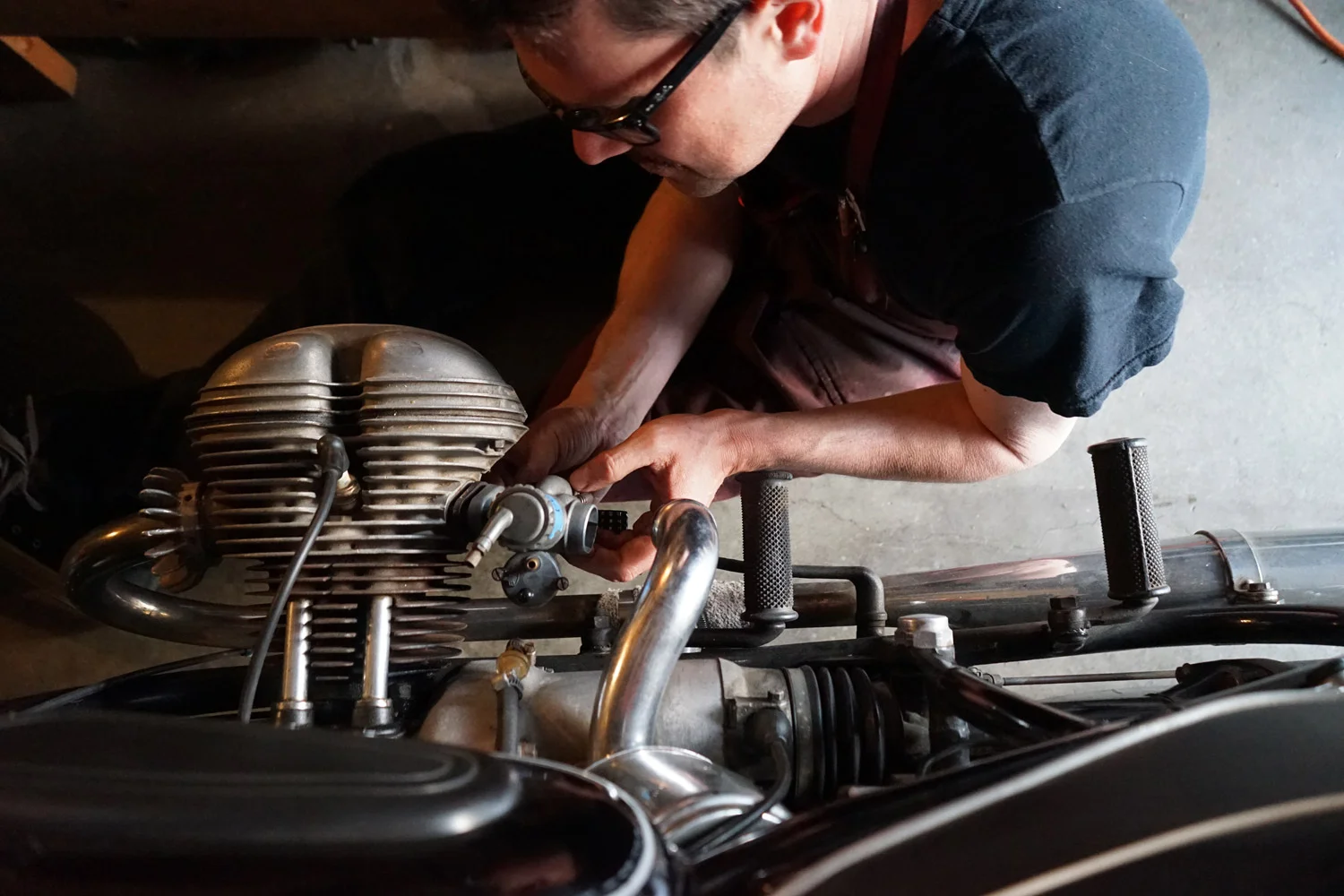
Everything else — from the wheels to the handlebars to all the engine components — was sourced by us through an obsessive search for period-correct parts, then assembled by our… let’s say “factory,” to use a big word — really by our mechanic, Corrado Pessina from Monza.
And the motorcycle you see here was the very first one ever assembled.
As they say, it’s one thing to draw it and another thing entirely to build it. Once we assembled it, we realized there were lots of little things to correct, and we refined it.
I’ll finish by saying this: go back and watch the old tapes, the old footage, because surely you’ll see motorcycles like this — and having one beneath you will make you smile and have fun.